

Explore the Benefits of Breathwork
Experience the Power of Intentional Breathing
From nervous system regulation to deep emotional resilience, discover how a simple breathing practice can physically transform your mind and body.
Quick Look at the Benefits of Breathwork:
Nervous System Balance: Switches the body from "fight-or-flight" (sympathetic) to "rest-and-digest" (parasympathetic).
Heart Health: Measurably improves Heart Rate Variability (HRV)and helps lower blood pressure.
Stress Management: Actively reduces the stress hormone cortisol and interrupts anxiety cycles.
Emotional Resilience: Bridges the gap between mind and body, supporting somatic healing and trauma integration.
Want to experience the benefits of breathwork yourself? Try a free, online breathwork session!
Free Weekly Breathwork Sessions
What is Breathwork?

Breathwork is the intentional practice of changing the way you breathe to influence your physical, mental, and emotional state. It’s a simple but powerful tool that works directly with your nervous system, helping you shift from stress and overwhelm into greater ease, clarity and presence.
While breathing is automatic, conscious breathwork brings awareness to something we rarely think about and in doing so, it gives us a way to regulate ourselves from the inside out.
At its core, breathwork is about three things:
Awareness: noticing how you breathe and how it affects your body
Regulation: using the breath to steady your nervous system
Connection: returning to yourself when life feels loud or overwhelming
The Science of Breathwork:
An Overview
One of the most empowering things about breathwork is how clearly the science supports it. While most of our internal systems, like digestion or body temperature, operate entirely on autopilot, the breath is unique. It is the only autonomic function we can consciously control if we choose to.
When you work with your breath intentionally, you aren't just "relaxing"; you are changing your internal physiology within minutes of beginning. Here are some of the ways the the breath can interact with your internal systems:
-
Your breath is one of the most direct ways to influence your autonomic nervous system, the system that constantly shifts between fight-or-flight (sympathetic) and rest-and-digest (parasympathetic) states.
When breathing becomes slow, steady and intentional, the parasympathetic nervous system turns on, helping your body settle.
Slow breathing has been shown to:
Lower heart rate
Reduce respiratory rate
Decrease cortisol (the body’s main stress hormone)
Increase feelings of calm and safety
Many techniques, including diaphragmatic breathing, extended exhales and alternate nostril breathing, gently stimulate the vagus nerve, which is crucial for emotional and physiological regulation.
Learn more in our guide: Breathwork and the Nervous System.
-
Heart Rate Variability (HRV) is an important marker of nervous system health. Higher HRV is linked with better emotional resilience, stress recovery and overall wellbeing.
Breathwork is one of the simplest ways to improve HRV.
Research shows that slow breathing around 5–6 breaths per minute can:
Improve HRV
Lower blood pressure
Support more stable heart rhythms
Improve circulation and oxygen efficiency
Techniques such as coherent breathing and box breathing are especially effective.
Explore more in: Breathwork and HRV.
-
Breathwork has demonstrated huge benefits for mental health and emotional wellbeing. Studies comparing breathwork to mindfulness meditation, cognitive interventions and control groups show reductions in:
Anxiety
Stress
Negative affect
Depressive symptoms
Emotional reactivity
Why? Because controlled breathing shifts the brain out of survival mode and into a more balanced, regulated state.
That physiological shift gives you more space to think clearly, respond rather than react, and reconnect with yourself.
Even just five minutes of slow breathing a day has been shown to improve mood and reduce stress markers.
For deeper understanding, explore:
-
Different breathing techniques create different states of consciousness.
Slow, rhythmic breathing increases alpha brainwaves which are associated with relaxation, creativity and mental clarity.
More intensive breathwork practices, like Conscious Connected Breathwork, can lead to increases in theta brainwaves which are states linked to deep meditation, emotional release and inner exploration.
Breathwork is one of the rare tools that allows you to shift brain activity without equipment, medication or long training periods.
More in: Brainwaves and Breathwork
-
Emerging research shows that breathwork may also have anti-inflammatory effects. Some studies suggest that conscious breathing:
Reduces inflammatory markers
Improves autonomic balance
Enhances the activity of natural killer cells (important for immune defence)
This doesn’t necessarily make breathwork a medical treatment (yet!) but it does demonstrate how closely the breath and stress levels are linked to the immune system and overall health.
You don’t need to know the science of breathwork for it be effective. Understanding the science simply helps you trust what your body already knows: your breath is a powerful, steadying force available to you in every single moment.
Want To Learn More?
Check out the comprehensive guide to the Science of Breathwork
Emotional & Mental Health Benefits of Breathwork
When life feels heavy, fast, or overwhelming, the breath is often the first thing to change, and the last thing we notice. Our emotions are not just "thoughts"; they are physiological events that happen in the body. Breathwork gives you a way to meet these moments from the inside out, using the breath to regulate your nervous system and find a felt sense of safety.
Breathwork for Stress and Anxiety
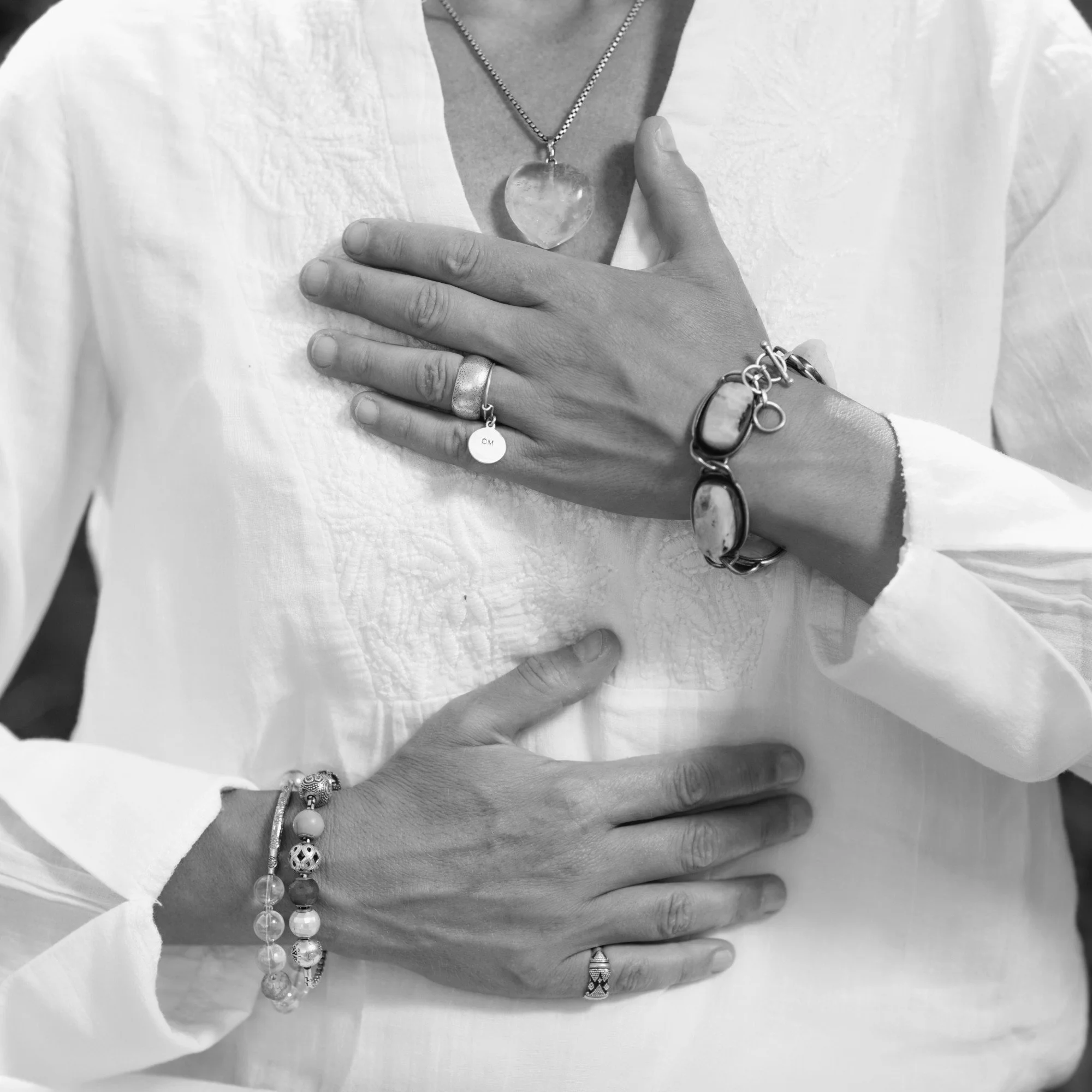
Stress and anxiety show up in the body as a racing heart, a tight chest, and shallow breathing. These are signals of an overactive sympathetic nervous system. By practising slow, deep breathing exercises like diaphragmatic breathing, you can interrupt this feedback loop. Here are some of the reasons:
Reduces Cortisol: Actively lowers the body's primary stress hormone.
The "Pause Button": Techniques like box breathingor alternate nostril breathing act as a circuit breaker for spiralling thoughts.
Immediate Regulation: Shift from "survival mode" into a regulated state within minutes.

Trauma-Informed Awareness & Recovery
In a trauma-informed breathwork practice, the breath is used as a tool for resourcing and grounding. We don't use breathwork to fix or force a change; we use it to build a sense of agency and choice. Here are some ways it works:
Safe Pacing: Breathwork allows you to gently expand your window of tolerance to discomfort, helping you stay present with difficult sensations without becoming overwhelmed.
Completing the Cycle: Helps the body move through the "freeze" or "shutdown" responses often associated with past trauma.
Somatic Safety: Re-establishes a sense of safety within the physical body, which is the foundation of long-term mental health.
Processing Grief and Emotional Release
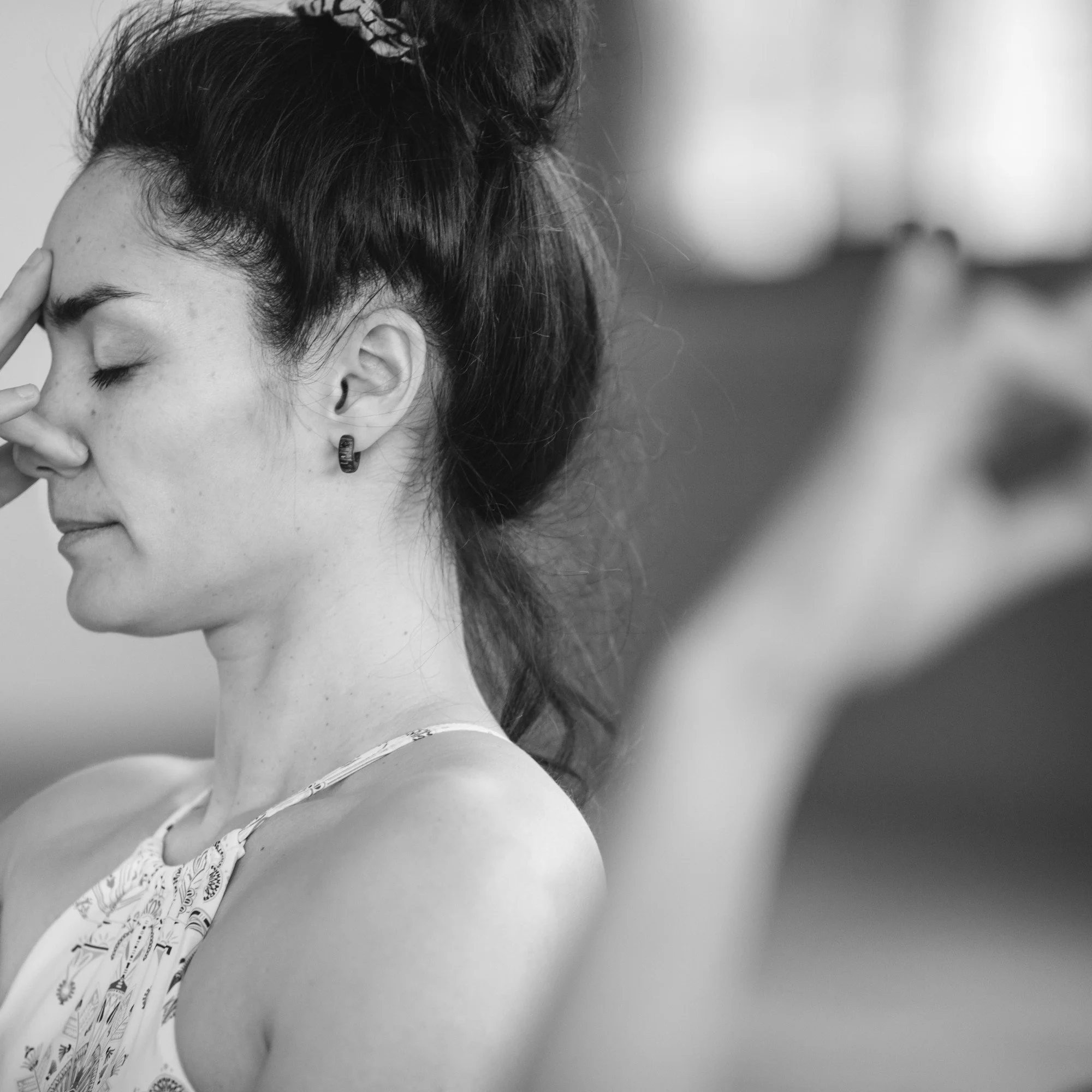
Grief often feels like a physical weight or a constriction in the chest. Unlike daily regulation, deeper practices like Conscious Connected Breathwork can help move this energy by:
Moving the "Stuck" Emotion: Breathwork provides a safe, non-verbal way to process grief, sadness, or anger that "talk therapy" may not reach.
Restorative Release: It is common to experience a "release" during a session, such as tears or a sudden sense of lightness as the nervous system finally feels safe enough to let go of stored tension.
Mental Clarity, Focus, and Cognitive Health
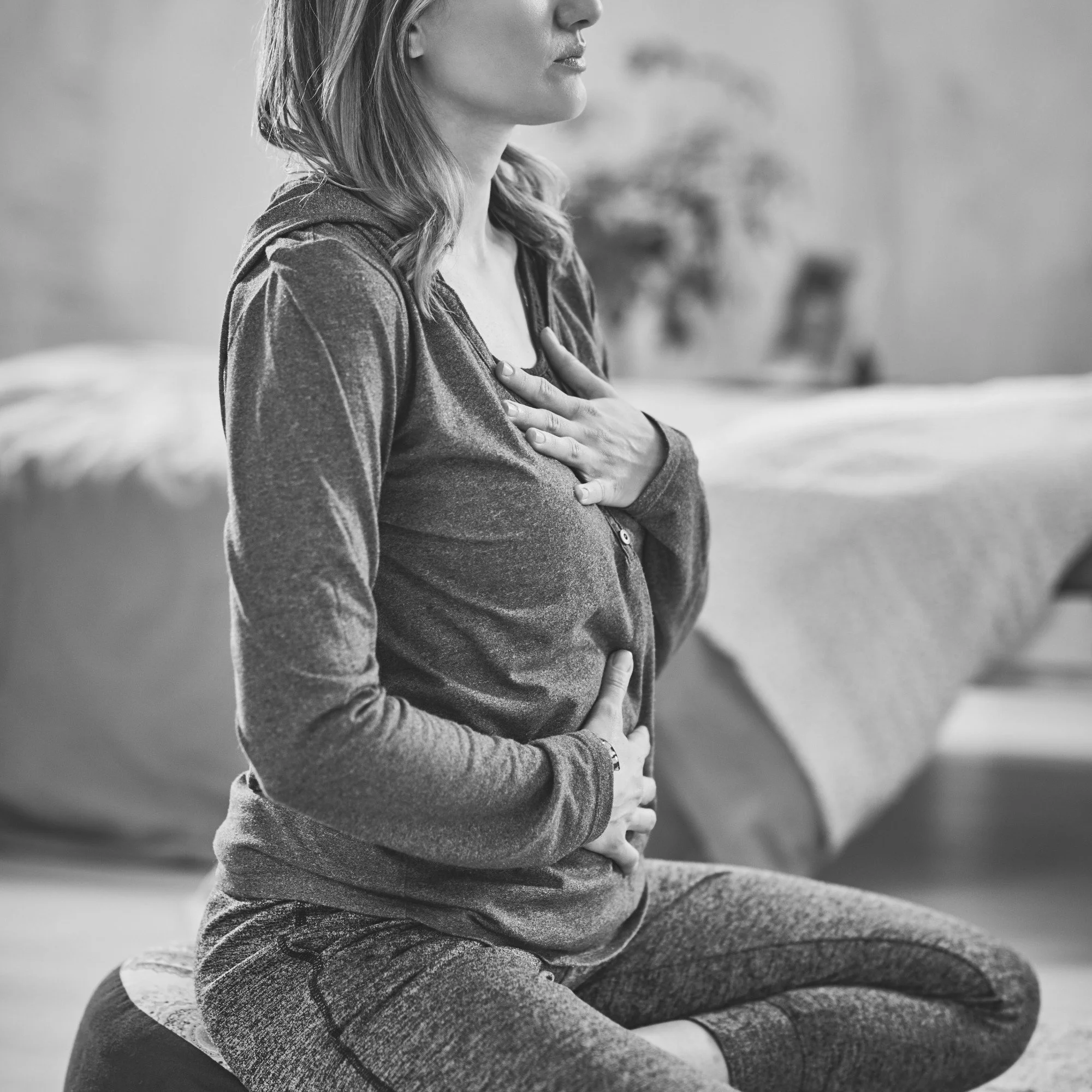
The way you breathe directly affects the prefrontal cortex which is the area of the brain responsible for decision-making and focus. This can help by:
Reduces Brain Fog: Slow breathing improves oxygen delivery to the brain, enhancing mental health and cognitive flexibility.
Quiets the Inner Critic: By anchoring the mind in the rhythm of the breath, you can soften negative thought patterns and reduce emotional reactivity.
Physical Health Benefits of Breathwork
Heart Health, Blood Pressure & HRV
Slow, intentional breathing is one of the simplest ways to support your heart. Research shows that controlled breathing can help lower blood pressure, reduce heart rate and improve heart rate variability (HRV), a key marker of nervous system balance and resilience.
Practices like coherent breathing, box breathing, and gentle diaphragmatic breathing help your heart and nervous system work together more efficiently.
You can explore this more deeply here:
Breathwork for Respiratory Health
Many of us are chronic "over-breathers," using only the top part of our chest and shoulders. This contributes to chronic tension and reduced oxygen efficiency. Breathwork can help by:
Strengthening the Diaphragm: Diaphragmatic breathing exercises retrain your primary breathing muscle, leading to deeper, more efficient oxygen exchange.
Improving CO2 Tolerance: Slow breathing helps the body become more efficient at utilizing oxygen by balancing carbon dioxide levels.
Reducing Breathlessness: Regular practice can increase lung capacity and reduce the feeling of "air hunger" during physical exertion.
Energy, Stamina & Physical Vitality
If you feel tired, foggy or drained, breathing practices can help increase energy by improving oxygen delivery at a cellular level. Breathwork supports more efficient movement, better endurance and a stronger connection between breath and body.
Gentle practices offer grounding, while more stimulating techniques such as Breath of Fire can increase alertness and vitality. These energising practices aren’t suitable for everyone, so it’s important to approach them slowly and with awareness.
Pain Management & Physical Resilience
The way we breathe changes how our brain perceives pain signals. Breathwork is a foundational tool in athletic recovery, rehabilitation, and childbirth. Here are some ways that breathwork can help:
Reducing Muscular "Guarding": Slow, rhythmic breathing signals to the brain that the body is safe, allowing tight muscles to soften and release.
Changing the Pain Response: By activating the parasympathetic nervous system, you can lower your perceived intensity of physical discomfort and chronic pain.
A Note on Safety
If you’re working with a respiratory condition, cardiovascular concerns or chronic illness, breathwork can still be supportive , but always start gently and at your own pace. Slow, simple breathing is safe for most people. More intense practices should be approached with care, ideally with a trauma-sensitive, trained facilitator.
Spiritual Benefits of Breathwork
-
Presence and Mindfulness
Gentle practices like diaphragmatic breathing and coherent breathing help you slow down, soften your thoughts and connect with the present moment.
Explore supportive grounding practices here:
Grounding & Resourcing in Breathwork -
Connection to Inner Self
Breathwork creates space to listen to your intuition and inner wisdom. This often shows up as clarity, insight or a softer relationship with yourself.
-
Expanded States of Awareness
Certain practices, such as Conscious Connected Breathwork, can open the door to altered states of consciousness where people gain perspective on life events, emotions or patterns.
You can learn more about these deeper practices here:
Conscious Connected Breathwork -
Sense of Meaning and Purpose
Many people find breathwork helps them reconnect with what matters: their values, desires, boundaries and direction.
-
Restorative Emotional Release
Breathwork can bring buried emotions to the surface in a gentle, supported way. The release often feels like clearing space — emotionally, mentally and spiritually.
-
Return to Inner Safety
When the nervous system settles, your inner landscape becomes more spacious. This sense of internal safety often becomes the foundation for deeper spiritual exploration.
-
Softening the Analytical Mind
Breathwork naturally shifts brain activity into more creative, reflective states, allowing you to explore intuition, symbolism and meaning from a calmer inner space.
More about these shifts here:
Brainwaves and Breathwork -
Part of Something Bigger
People often describe a sense of connection to nature, humanity or the universe during or after a breathwork session. This isn’t about adopting a belief — it’s about feeling your place in the world more fully.
-
Openness and Acceptance
Breathwork helps many people move from self-judgement to self-compassion, creating space for curiosity, forgiveness and personal growth.
Unexpected Benefits of Breathwork
-

Enhanced Sensory Perception
Colours may feel brighter, sounds clearer and your body more alive after a session. This is often due to increased oxygenation and nervous system regulation.
-

Vivid or Lucid Dreams
Breathwork can help the brain unwind, which sometimes leads to more memorable, insightful or symbolic dreams.
-

Creative Breakthroughs
When the analytical mind softens, ideas flow more easily. Many artists, writers and creators use breathwork to tap into intuition and imagination.
-

Greater Resilience
People often notice they feel steadier in conflict, clearer in conversations and less overwhelmed by stress after regular practice.
Is Breathwork Safe?

At Breathing Space, we believe that trauma-informed care and safety are non-negotiable. While gentle breathing exercises like box breathing are safe for almost everyone, more intensive practices like Conscious Connected Breathwork require awareness and, in many cases, professional facilitation.
Who Should Consult a Doctor?
Intensive breathwork can be physically and emotionally demanding. We recommend providing medical advice and consulting with a healthcare professional before trying "active" techniques if you have:
Cardiovascular conditions or high blood pressure
Epilepsy or a history of seizures
Severe and uncontrolled mental health conditions (such as bipolar disorder or psychosis)
Glaucoma or detached retina
Pregnancy
The Importance of a Trauma-Informed Approach
Breathwork is a powerful tool, and with power comes responsibility. Working with a trained facilitator ensures that:
The Pace is Right: You are never pushed beyond your "window of tolerance."
Integration is Prioritised: You have the space and support to process what comes up during a session.
Agency is Respected: You are always in control of your own breath and your own experience.
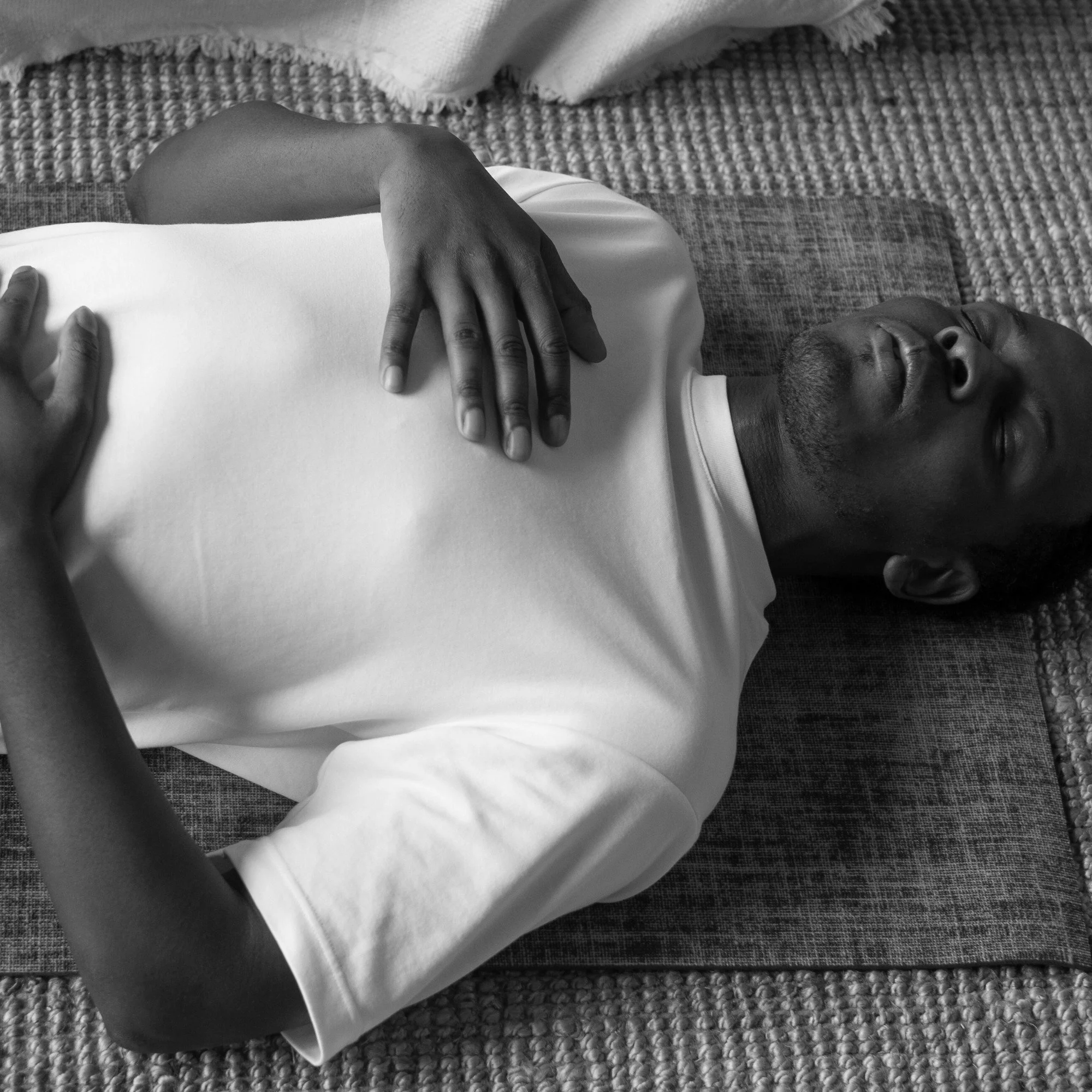
How to Experience the Benefits of Breathwork
-
![Breathwork Starter Kit]()
Breathwork Starter Kit
Completely new to the practice? This is the simplest place to begin. You’ll learn essential techniques like diaphragmatic breathing and box breathing through short, easy lessons you can return to whenever you need them.
-
![Free Weekly Guided Sessions]()
Free Weekly Guided Sessions
If you prefer to be guided or want to feel the power of a supportive community, our online sessions are open to everyone. They are gentle, trauma-sensitive, and perfect if you don't want to practise alone.
-
![Learn the Core Techniques]()
Learn the Core Techniques
Explore at your own pace with our beginner-friendly tutorials. Discover how techniques like coherent breathing and alternate nostril breathing can help you regulate your nervous system in real-time.
-
![50-Hour Breathwork Coaching]()
50-Hour Breathwork Coaching
If you’re looking for deeper support to integrate breathwork into your life, our coaching certification provides a safe, structured way to build confidence. It’s also the perfect first step if you feel called to support others.
Frequently Asked Questions About the Benefits of Breathwork
-
Breathwork supports your physical, mental, emotional and spiritual wellbeing. It can help lower stress and anxiety, improve heart rate variability (HRV), support better sleep, increase focus, regulate the nervous system and build emotional resilience.
If you’d like a deeper look at the research and mechanisms, explore:
-
Anxiety often shows up as shallow breathing, a racing heart, tight muscles and spiralling thoughts.
Breathwork helps by:
Slowing your heart rate
Activating the parasympathetic (rest-and-digest) system
Lowering cortisol
Helping the mind settle
Techniques like box breathing, alternate nostril breathing and extended exhale breathing are especially helpful.
If anxiety is your main reason for exploring breathwork, you may like:
-
Most gentle techniques like diaphragmatic breathing, coherent breathing and box breathing are very safe for the majority of people.
However, more intense practices (such as fast breathing, long breath holds or Conscious Connected Breathwork) may not be suitable for everyone, including people with cardiovascular issues, epilepsy, pregnancy, or certain mental health conditions.
If you’re unsure, start gently and read our safety guide:
-
You don’t need long sessions to benefit.
Some simple guidelines:
Beginners: 5–10 minutes a day
Most people: 20 minutes, a few times per week
For stress or anxiety: short practices throughout the day (like extended exhales or box breathing)
The key is consistency, not intensity. Even five mindful minutes can shift your whole state.
-
Breathwork is more active.
Meditation typically involves observing your breath without changing it, while breathwork intentionally changes the breath to shift your state.
Many people find breathwork easier to begin with, especially if the mind is busy or the body feels tense.
If you’re exploring both, you may enjoy:
-
Across studies, slow breathing (around 5–6 breaths per minute) shows the strongest effects on:
HRV
Blood pressure
Mood
Stress reduction
Emotional regulation
Learn some slow breathwork here:
-
Yes, slow, gentle breathing helps lower your heart rate, relax the body and quiet the mind.
Techniques like 4-7-8 breathing, coherent breathing and diaphragmatic breathing are particularly helpful before bed.If sleep is a struggle, try a few minutes of extended exhales while lying down.
-
Yes, but proper training matters, especially if you’re supporting others with stress, trauma or emotional release.
A trauma-sensitive (at least) or trauma-informed approach is essential.If you feel called to teach, here are your next steps:
Begin with structured foundational training:
50-Hour Breathwork Coach CertificationContinue into Trauma-Informed Breathwork Facilitation:
400-Hour Breathwork Facilitator Training
Both are designed to be inclusive, ethical and accessible.
-
Somatic breathwork focuses on the "felt sense", the physical sensations in the body. The primary benefit is its ability to help process and release stored tension or emotional stress that is held in the tissues.
By working directly with the autonomic nervous system, somatic practices support deep emotional regulation and help bridge the gap between the mind and the body.
-
Starting your day with breathwork "primes" your nervous system. A morning ritual helps set your baseline heart rate and respiratory rhythm before the day’s stressors begin. It’s a proactive way to build a sense of inner steadiness, ensuring you meet your day from a place of regulation rather than reaction.
-
Yes, but it should be practised with awareness. Holding the breath after an inhalation (full) or exhalation (empty) helps improve "CO2 tolerance." This teaches your autonomic nervous system to stay calm even when carbon dioxide levels rise, which measurably improves physical stamina, reduces the panic response, and enhances overall respiratory efficiency.
Still Have Questions?
Get in Touch With Us!
Breathwork can feel like a vast territory to navigate, and while we have covered the core science and benefits here, we know that every person's nervous system and life experience is unique.
If you have specific questions about a technique, or if you are looking for a bit more clarity on which practice is right for you at this moment, we would love to hear from you.
You can reach us directly at breathe@makesomebreathingspace.com or by using our contact page on this site.
We read and respond to each email personally. No matter where you are in your breathwork journey, we are here to offer some guidance and support as you navigate your way.